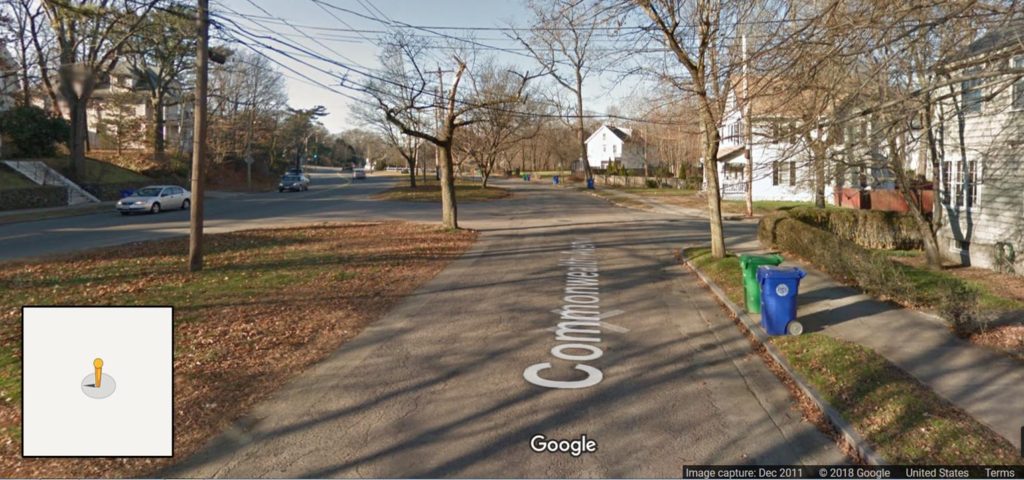
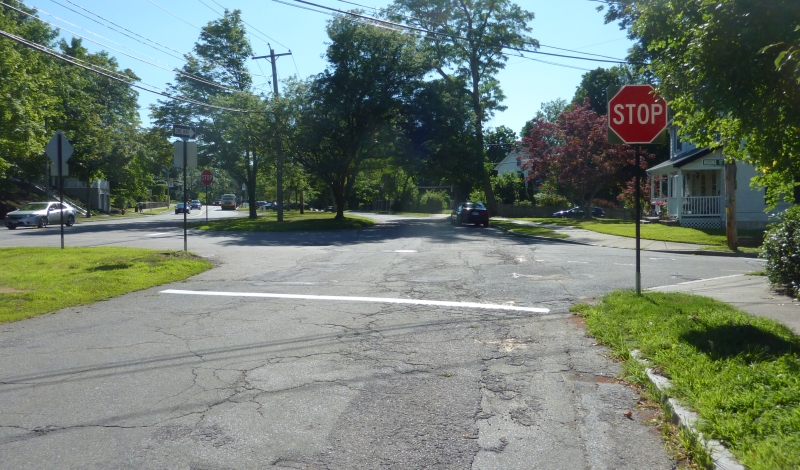
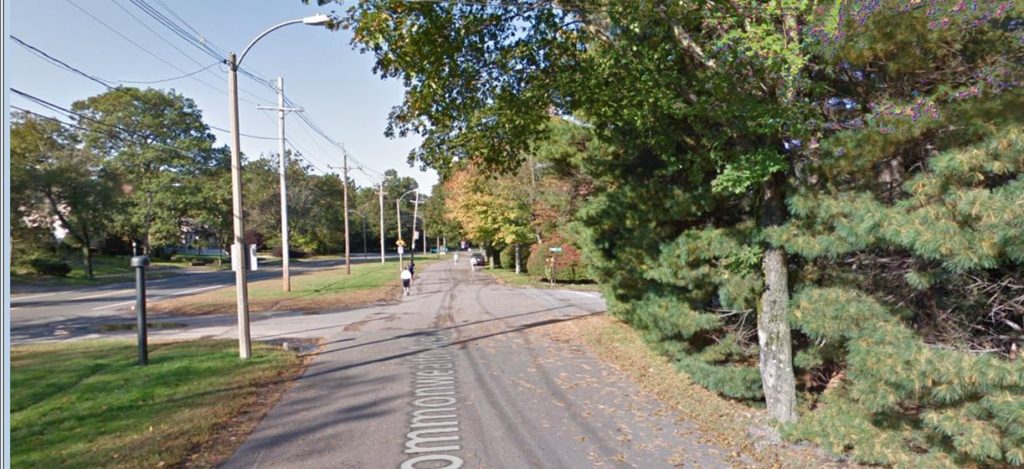
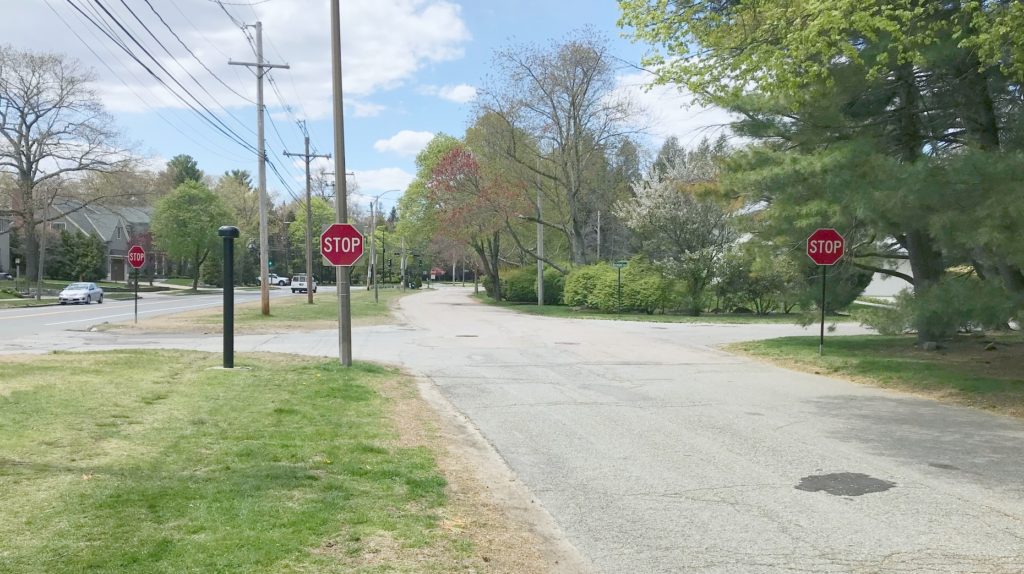
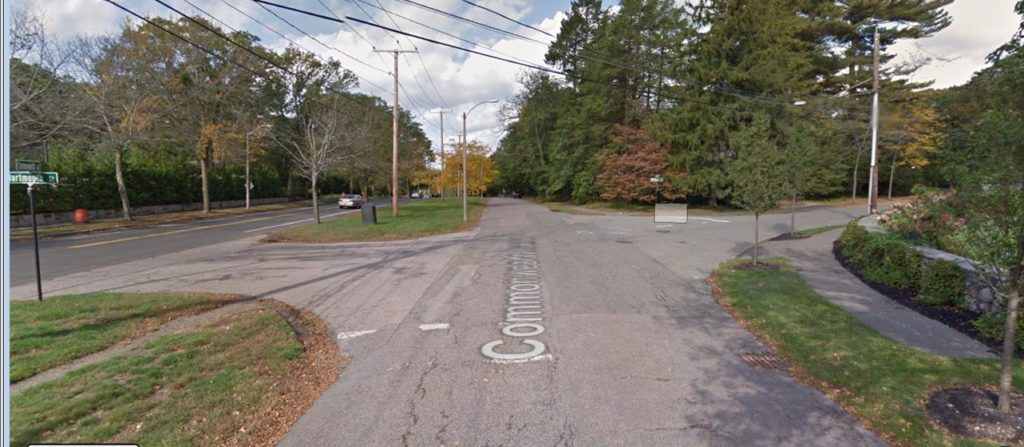
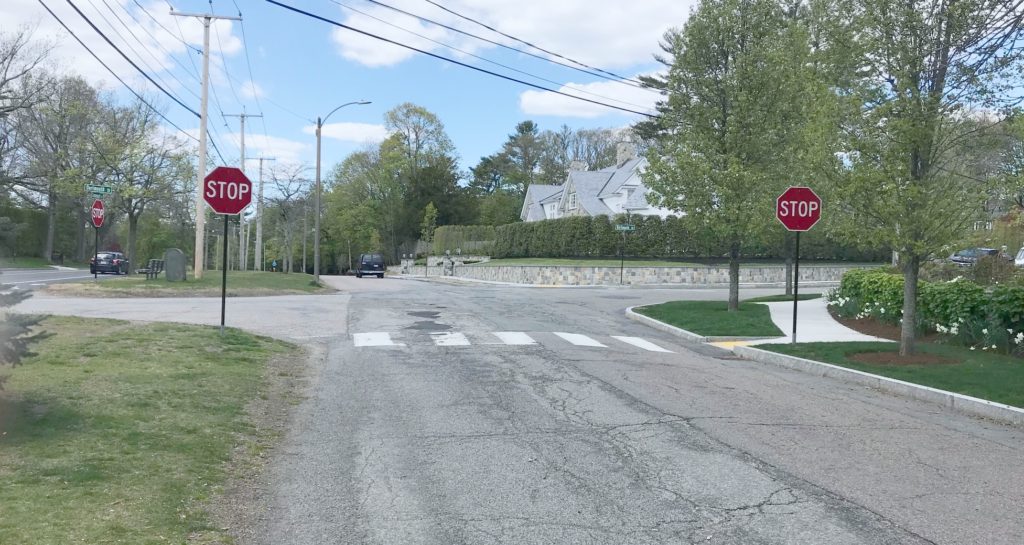
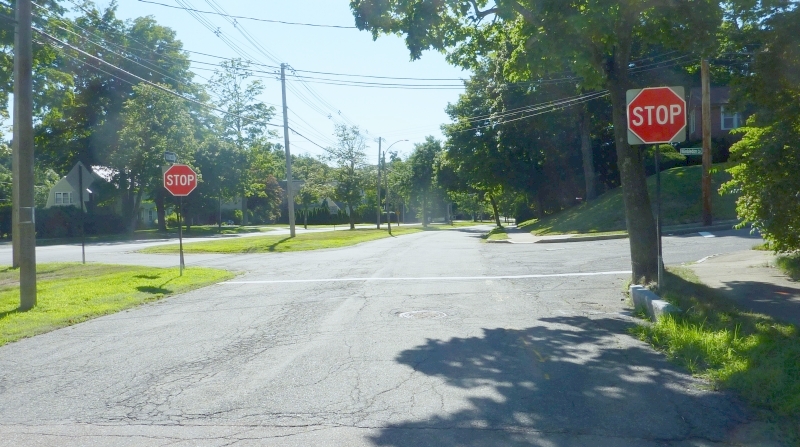
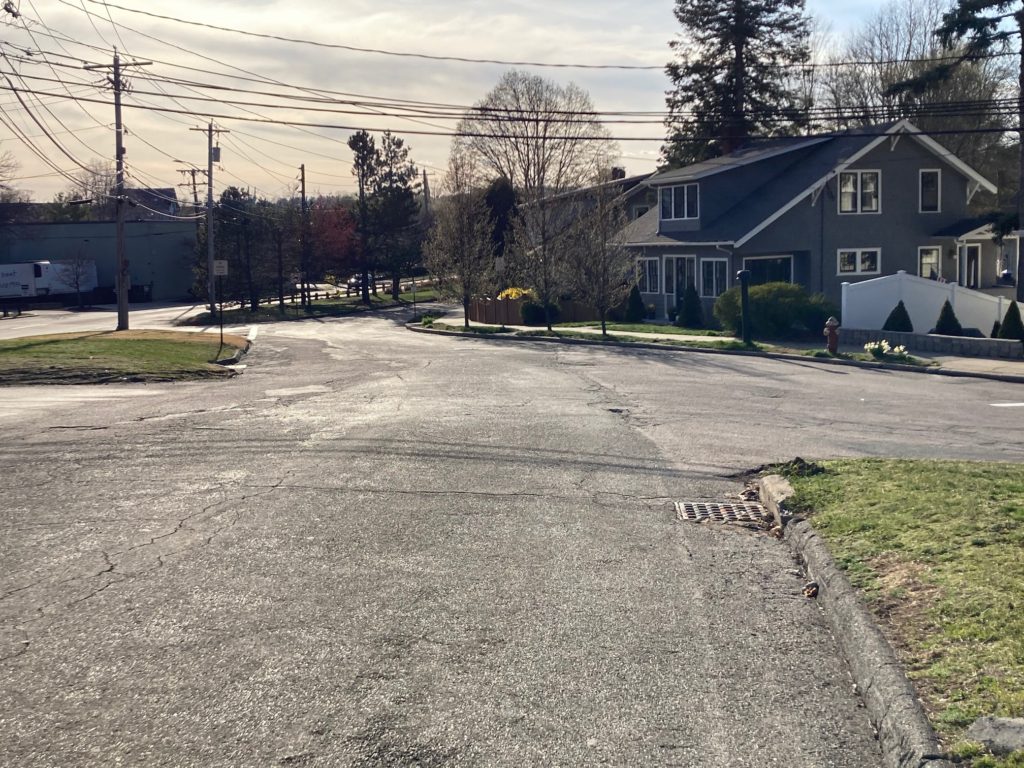
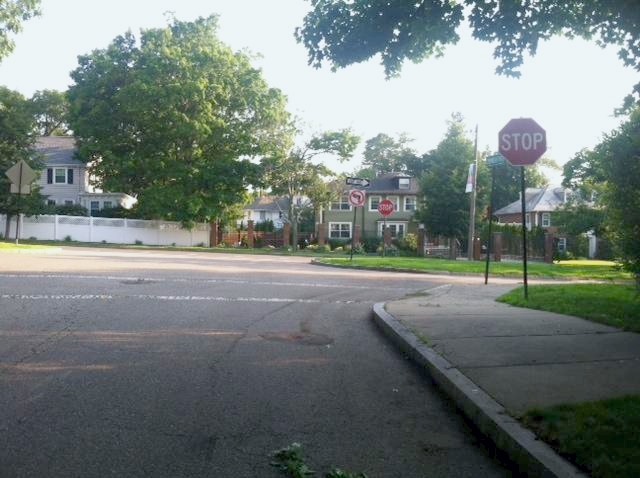
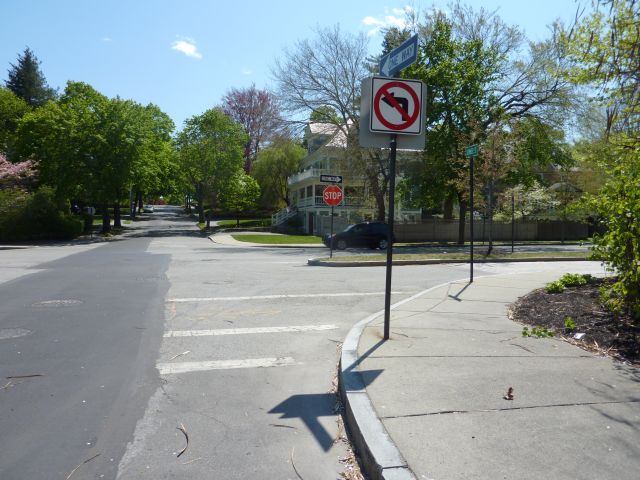
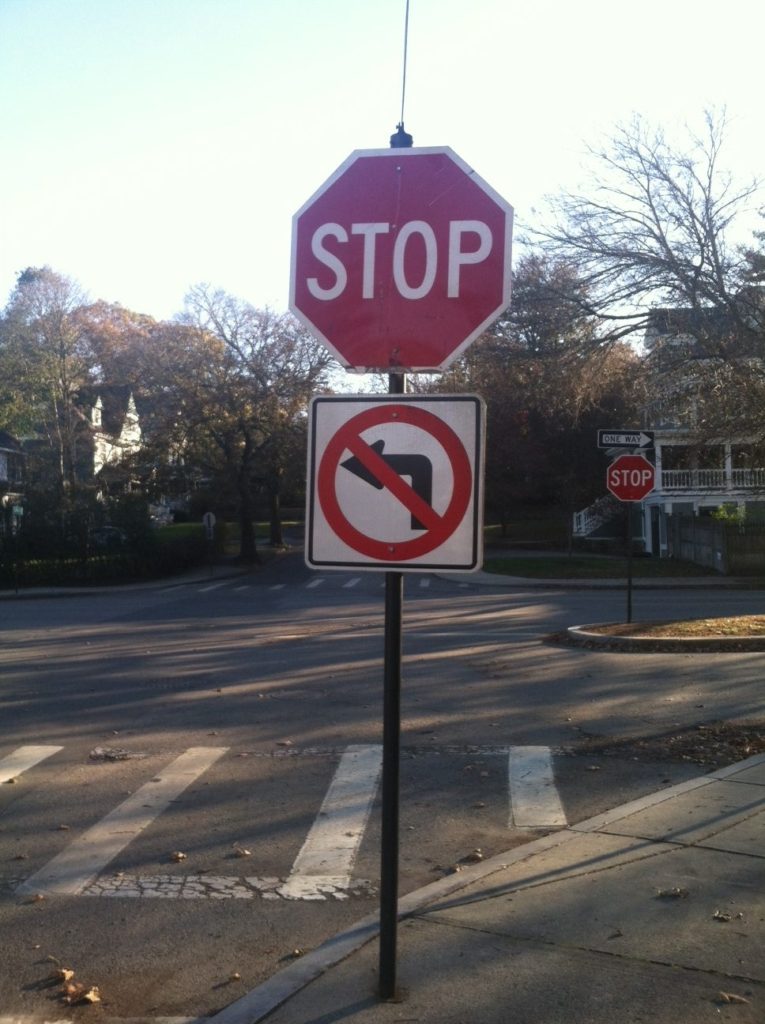
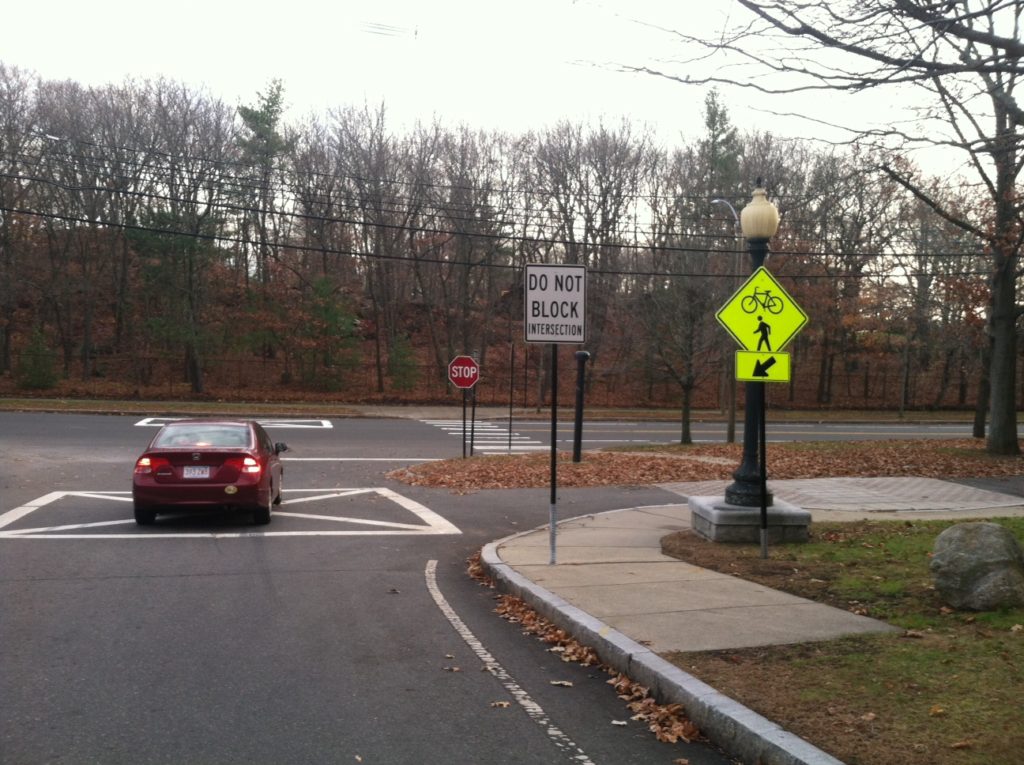
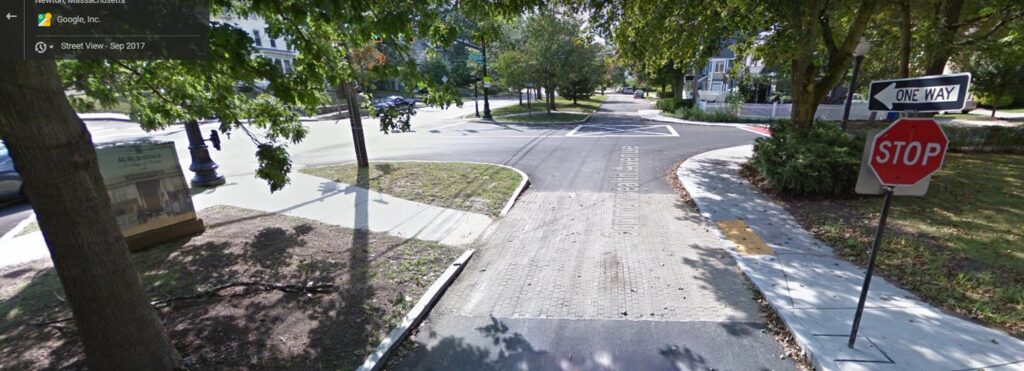
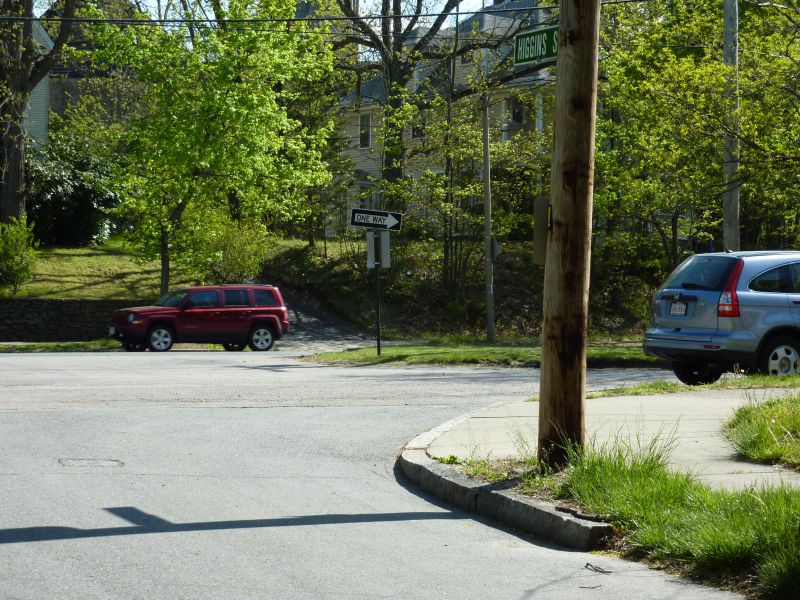
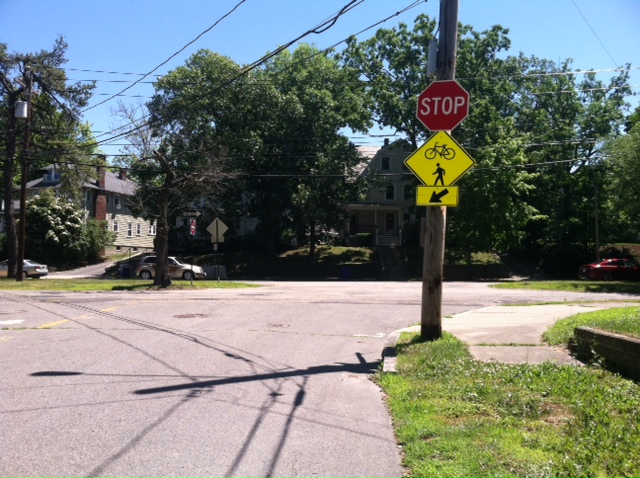
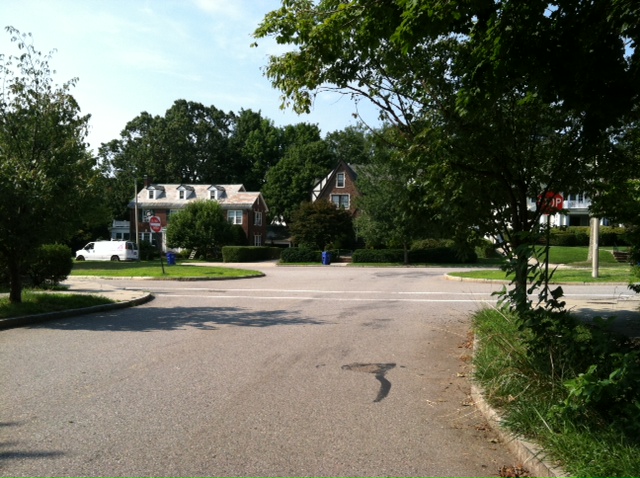
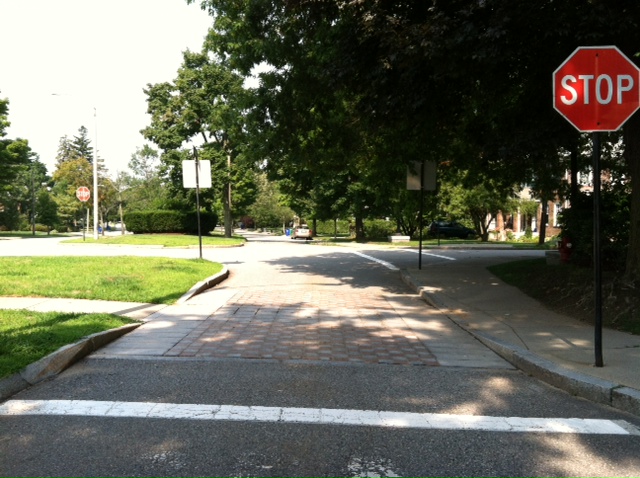
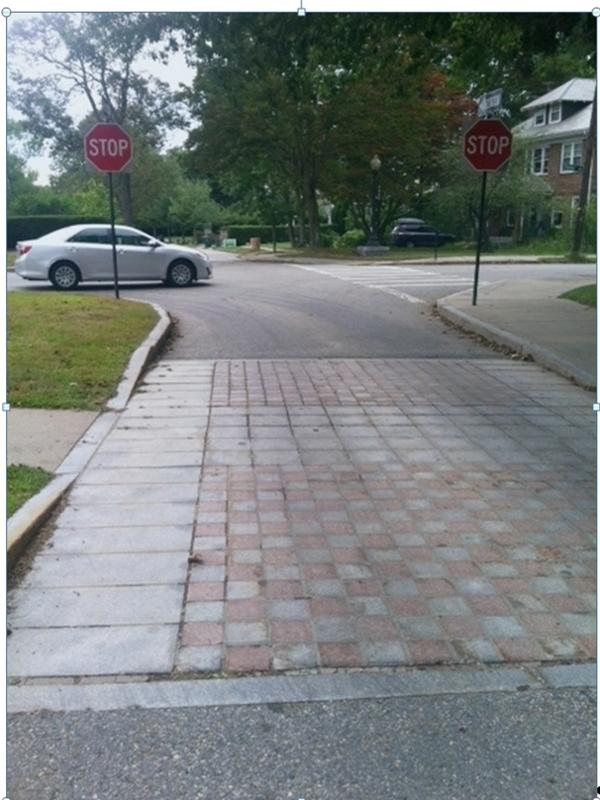
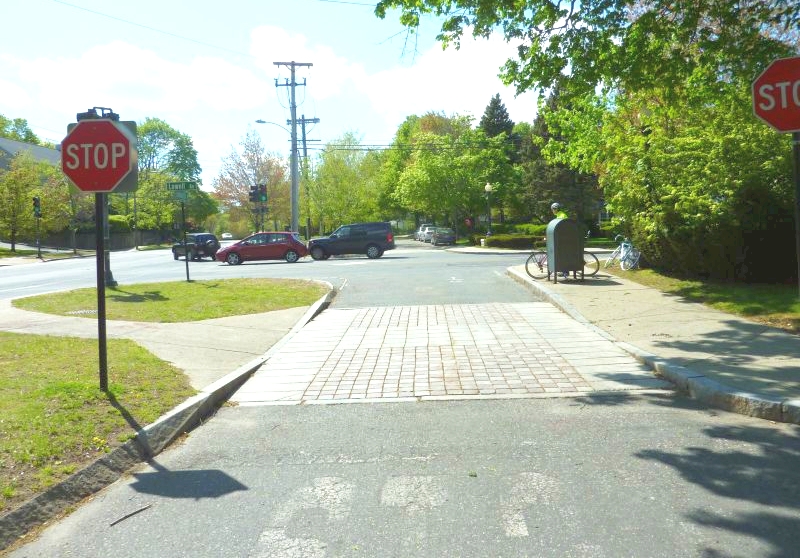
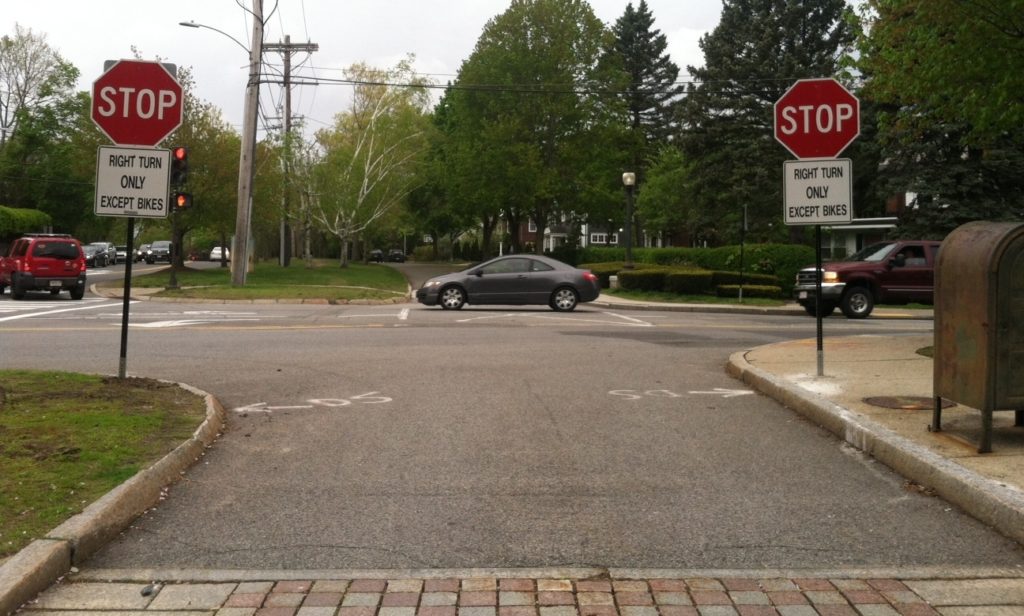
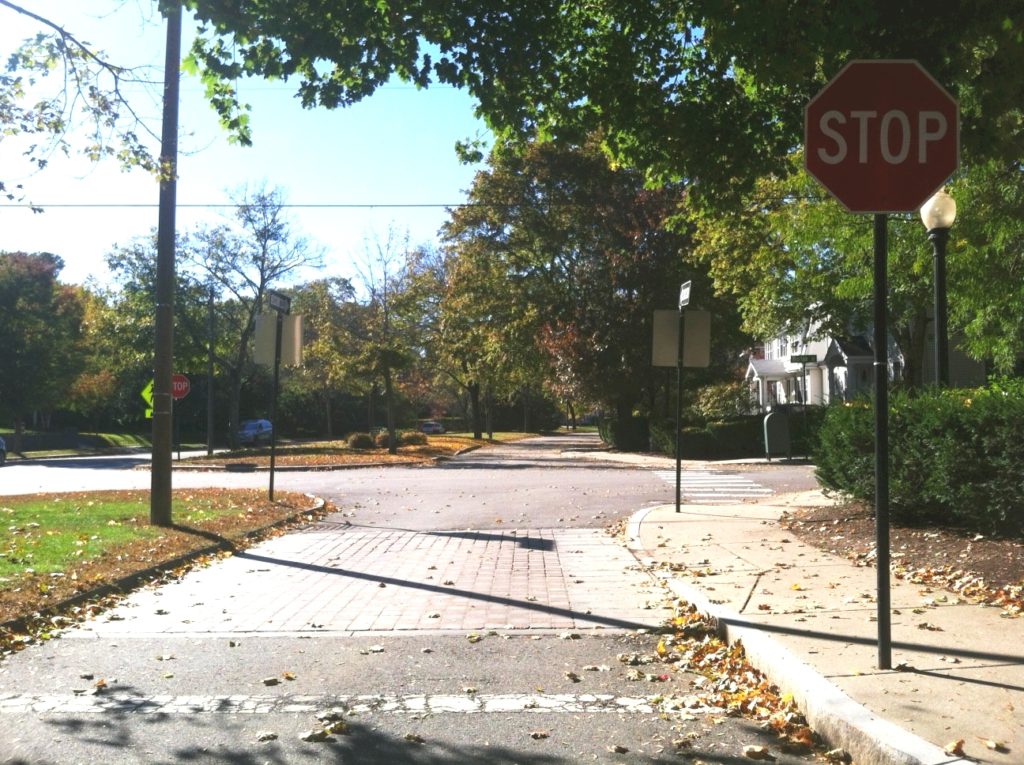
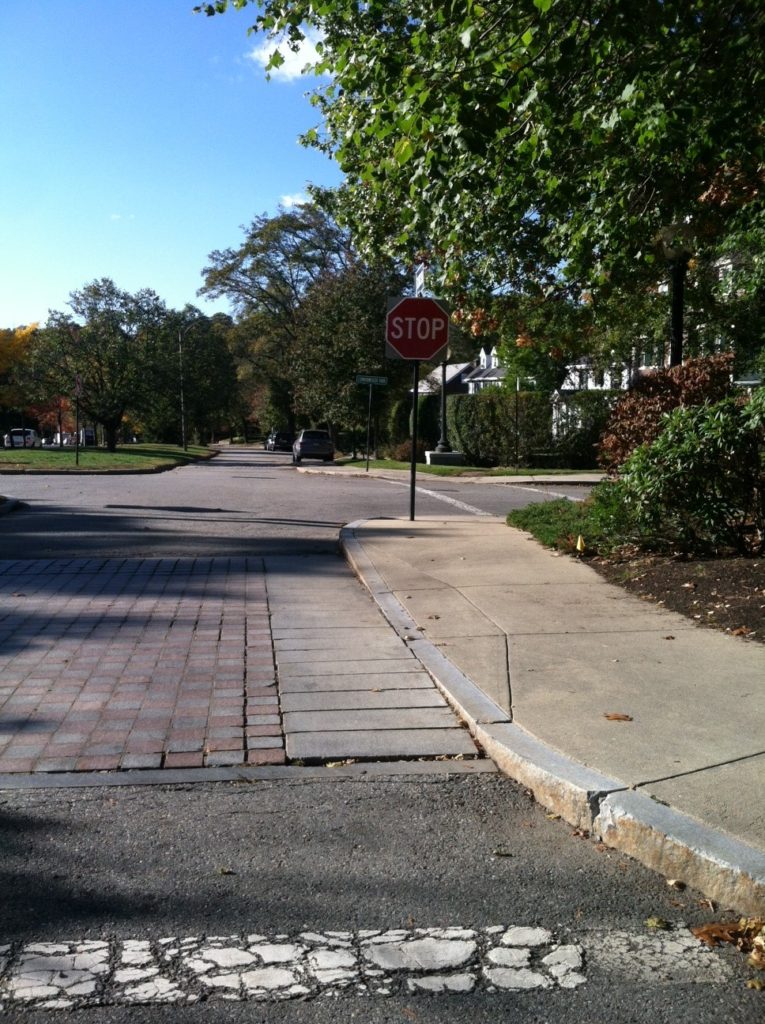
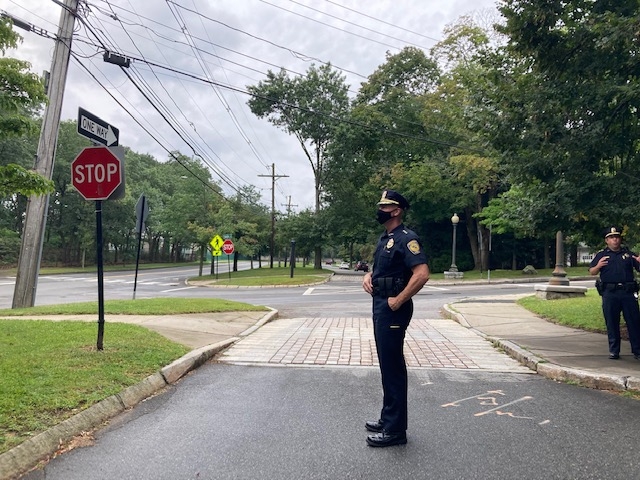
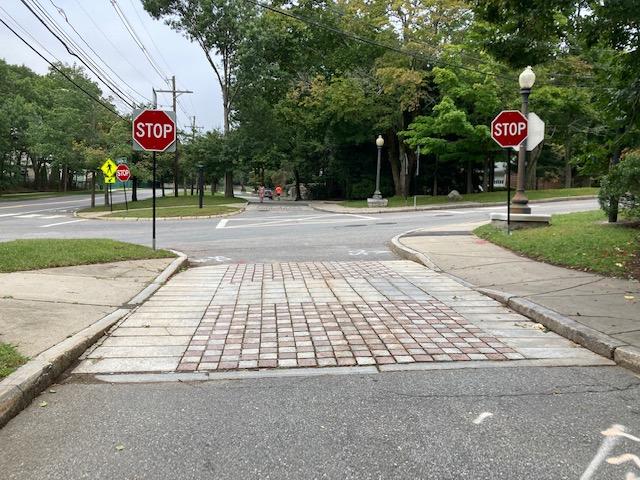
The addition of stop signs heading west has been an important safety feature that has been a big step toward ensuring that the Carriage Lane is used for local traffic only. It also has minimized the risk of a collision between a driver heading south on the side street and any vehicle heading west on the Carriage Lane. It also protects pedestrians and others along the Carriage Lane who are walking, running or biking eastbound, as it allows them to be better predictors of driver behavior.
The installation of these stop signs also had to go through and be approved by Traffic Council. City Councilors Emily Norton and Andreae Downs made these changes possible. In time, Traffic Council came to see that the presence of these stop signs before each westbound intersection needed to be consistent: Drivers and other users of the Carriage Lane needed to have a consistent set of expectations. The addition of these stop signs also reduced the usage of the Carriage Lane as a by-pass road.
One serious safety issue was that very often there was no official stop sign along the crossroad, north of the Carriage Lane, for southbound (SB) drivers. This presented extreme dangers: motor vehicles would head on a non-signalized crossroad south toward Commonwealth Avenue and drive straight through an intersection with the Carriage Lane, with no warning to any non-driver using the Carriage Lane. Furthermore, runners were coming from the west and heading eastbound, and near-collisions between EB runners and SB drivers were not uncommon.
We eventually learned that in Newton, the Traffic Council, a sub-committee of the Public Safety and Transportation Committee, has to approve all requests for stop signs. To the Traffic Council we went.
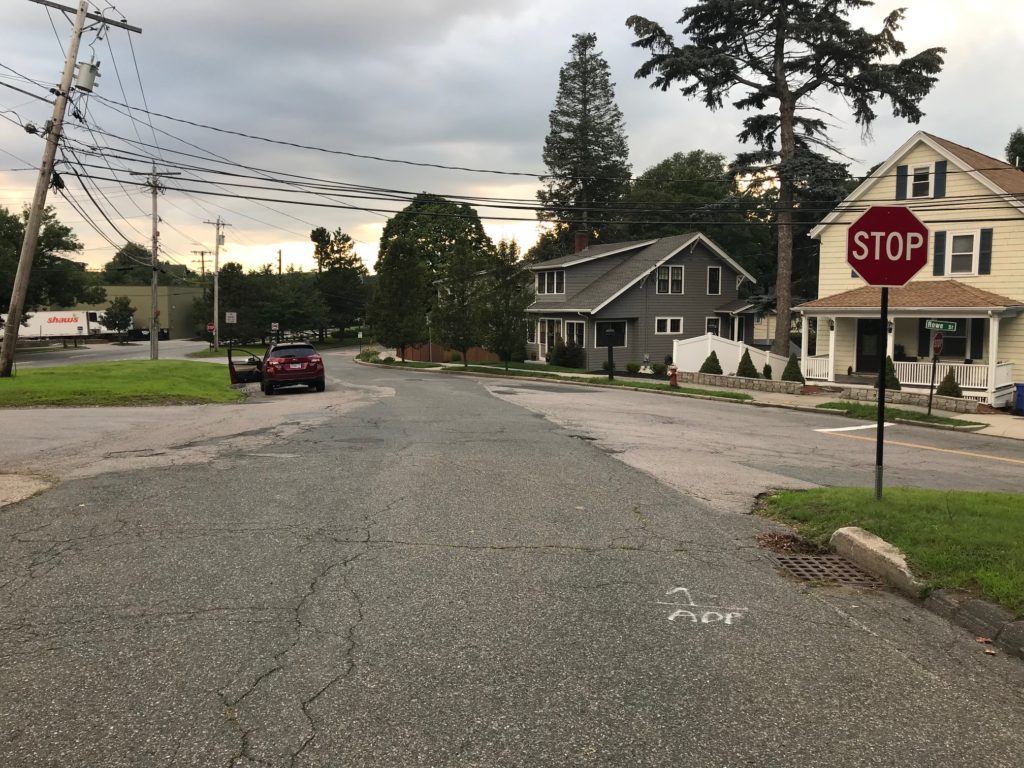
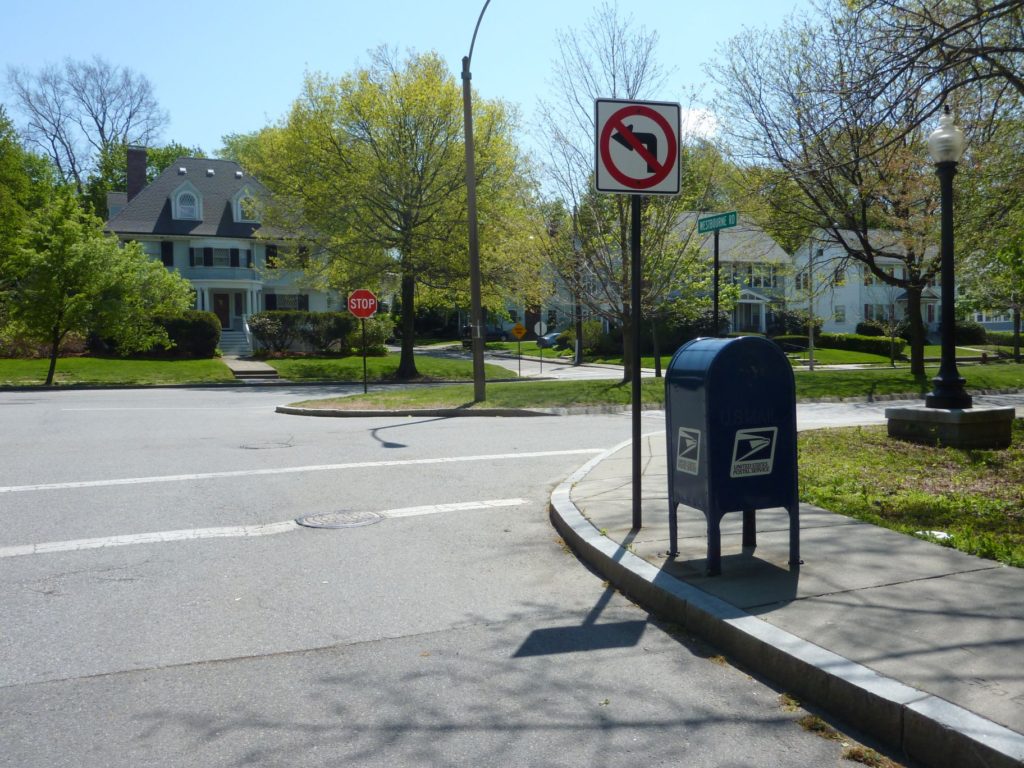
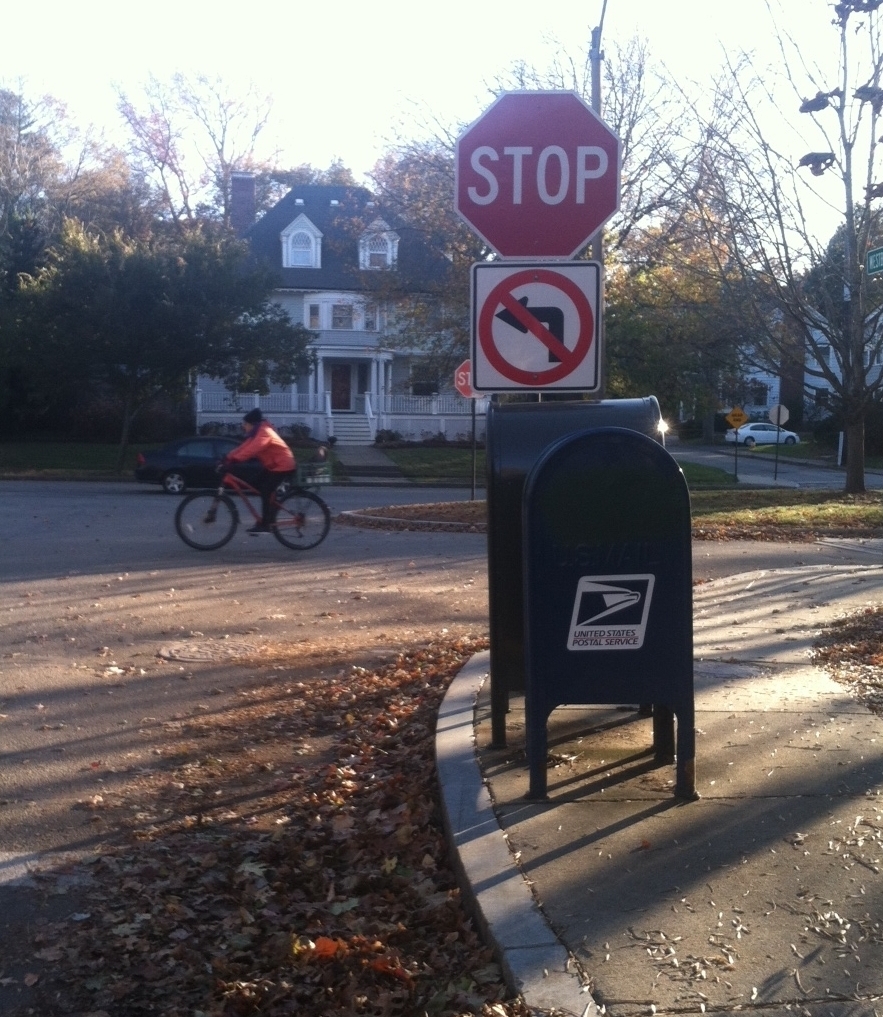
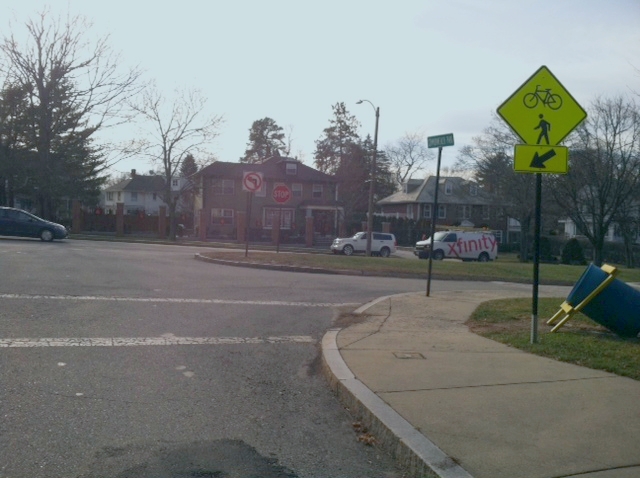
We began by asking Councilor Emily Norton to docket for stop signs for a few intersections, and were thrilled to have success. With that success in hand, we moved forward, in 2018 enlisting the enthusiastic assistance of Councilor Andreae Downs as a co-docketer. With the 2020 elections, City Councilor Andrea Kelly also co-docketed for these items. We are appreciative to all who played a role in this important essential feature. Below you can see all the intersections where we had success with the addition of a STOP sign for SB drivers on the cross road before the Carriage Road.
We also would like to thank traffic engineers Jason Sobel and Izaac Prizant, from the Transportation Division, for supporting these requests.
Very often there was an official stop sign along the crossword, north of the Carriage Lane, for southbound drivers. However, Newton roads twist and turn, and often twist and turn while going downhill. Add to that overhanging branches from large trees nearby, and we have a dangerous situation.
See a few of these dangerous situations and the solutions we presented to the City. These required no new Traffic Council dockets, because stops were already in the Traffic and Parking Regulations (TPR).
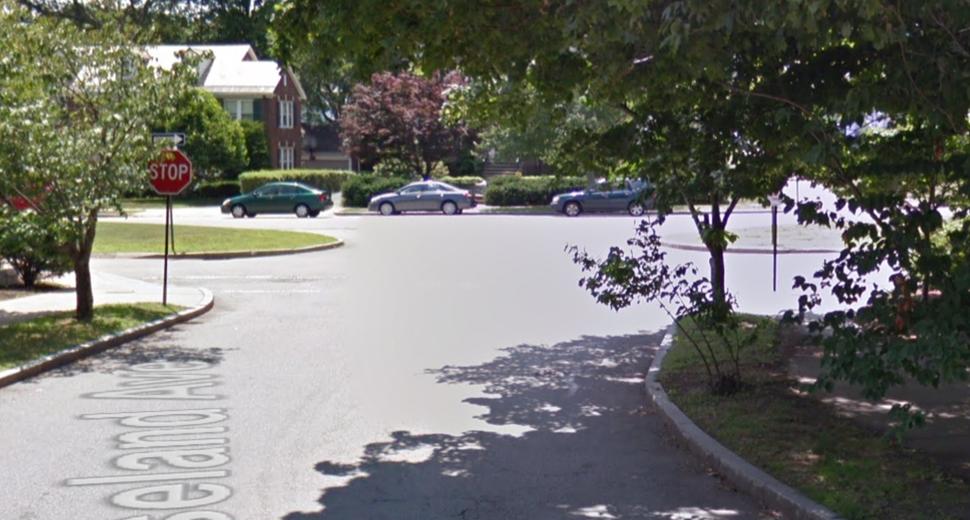
Morseland
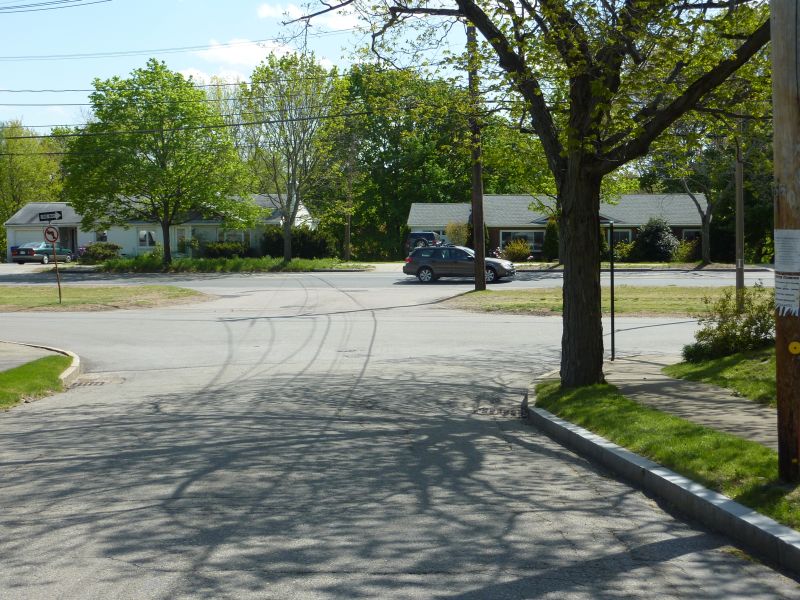
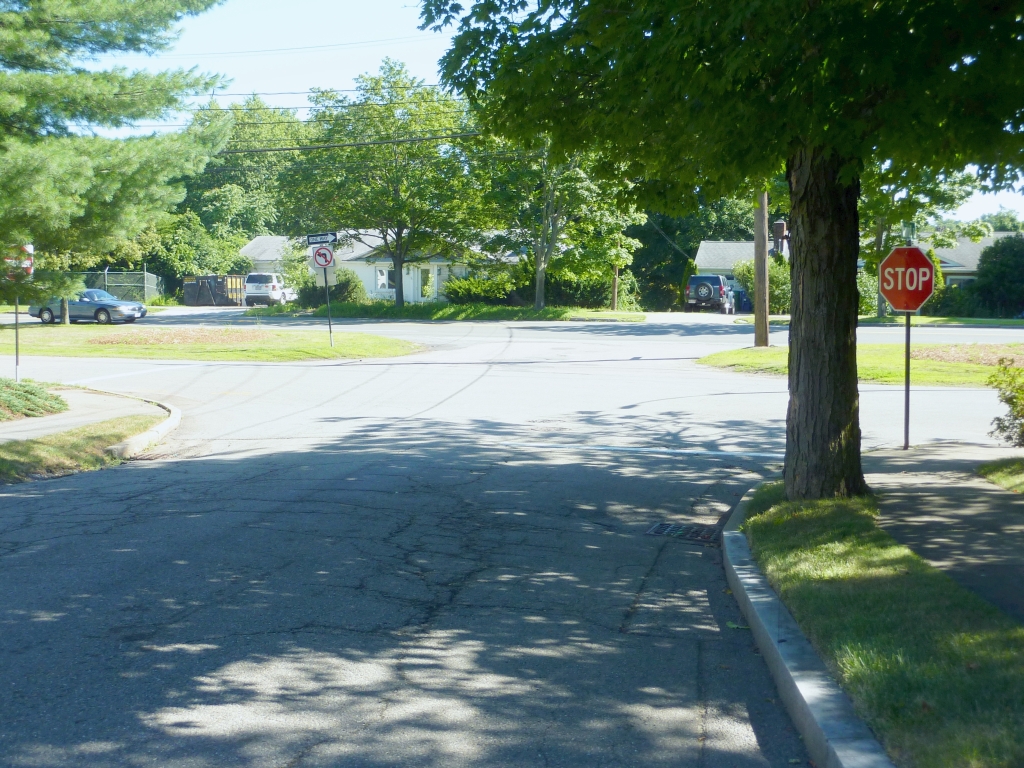
Morseland southbound curves around. Between the curve and the tree, drivers simply could not see the stop sign until they were at the corner, and by then it was often too late to stop for runners and pedestrians coming west from the Carriage Lane.
We identified both the problem and a simple and inexpensive solution.
Morseland, after
Valentine
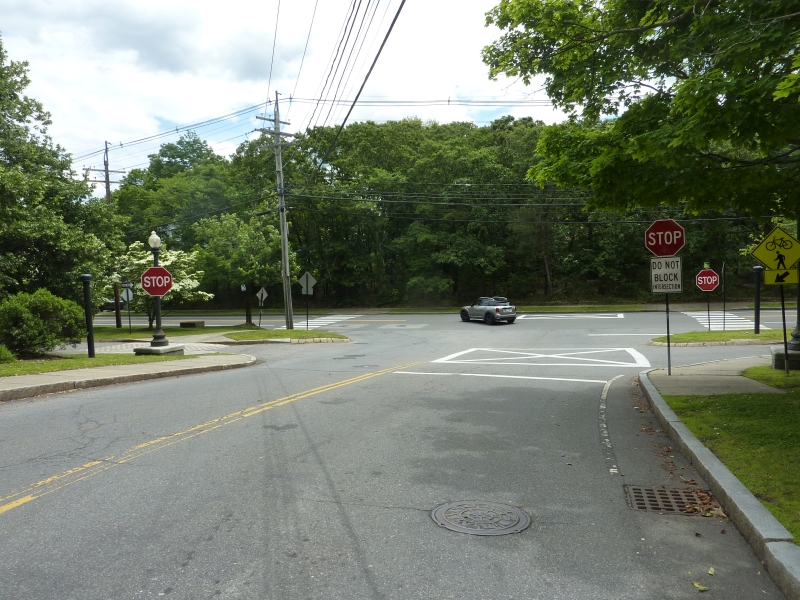
Valentine was particularly challenging. At first, Valentine did not even have a stop sign there. (Bill Paille is responsible for adding the DO NOT BLOCK THE BOX paint.) To get an initial stop sign, we had to go to Traffic Council. Councilors Norton and Downs docketed this item.
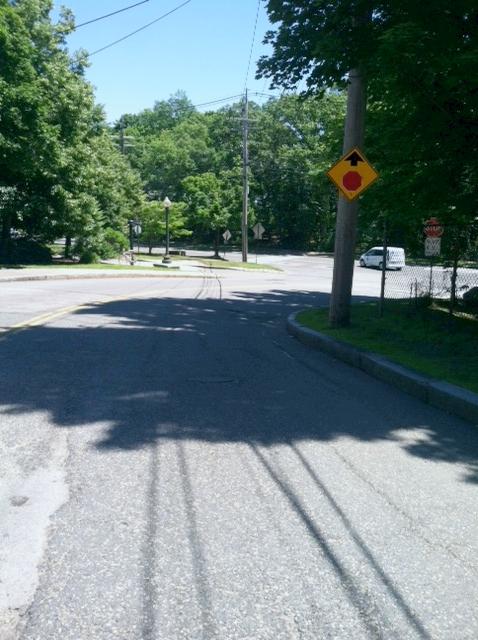
Valentine
Traffic Council approved the stop sign at that intersection. In that discussion, we identified the issues with the heavily curving road accompanied by a sharp downhill. We suggested a “Stop Ahead” sign up the hill, as you see in the image below, in addition to the stop sign at the corner.
Valentine, after
Visibility problems remained, however, as many drivers were contractors coming from West Newton who did not know the neighborhood and weren’t aware that there were pedestrians to the right at the road below, and also because many drivers thought the stop sign was a reference to the beyond, the one at the corner of Valentine and Commonwealth Avenue.
Thus, we suggested a stop sign on the left. Our Transportation Division outdid us, and placed a really large and visible stop sign on the left. (See image below.)
Compliance is now much much higher than it was before. One contractor in a large van recommended the stop sign to the right be placed lower on the pole, since it’s had to see beneath the tree leaves. Getting feedback from people driving, at the site, asking them the question directly, “What would help you here?” is something the City needs to be doing more of.
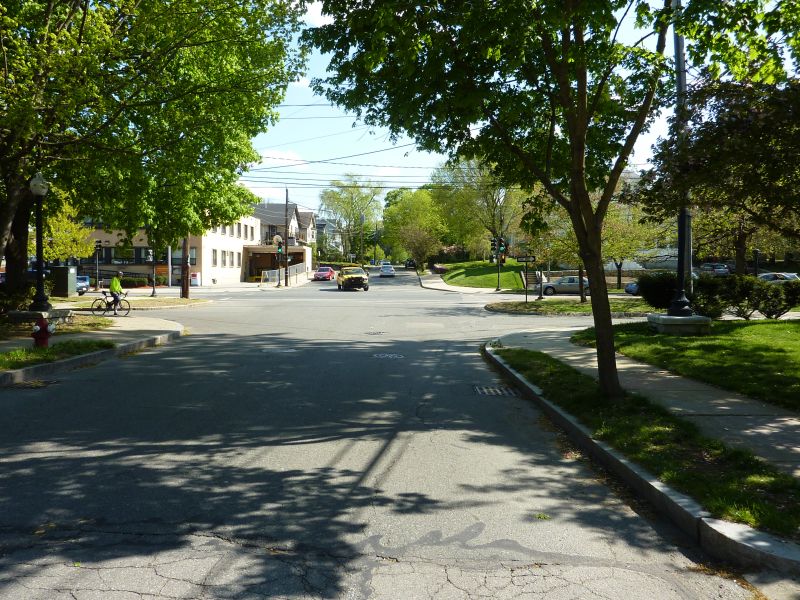
Many Newton residents do not remember when the Carriage Lane looked like this:
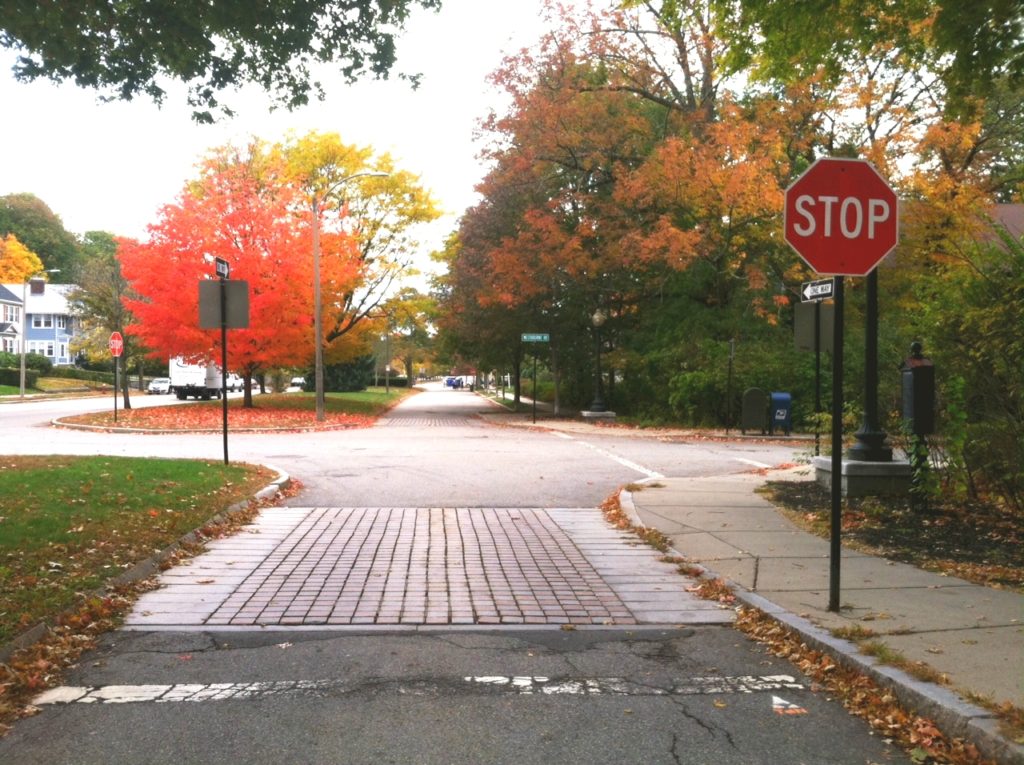
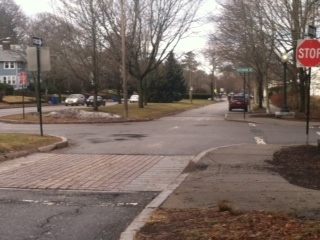
All along the Carriage Road, the stop signs, and the stop lines, were 20-23 feet away from the intersection. Often the stop signs were located before a band of cobbles. Westbound drivers would stop before the stop sign and then roll right through the intersection, never really stopping. This was incredibly dangerous for those not in motor vehicles, as well as those in motor vehicles. It was also dangerous for drivers on the cross roads heading north and south.
In 2018, I eventually realized the problem, and set about finding a solution. Going through 311, I requested, and achieved, having the following stop signs moved to be closer to the actual intersection.
WESTBOURNE: our first success.
CEDAR STREET: Our next success. And we also had a stop sign added on the left.
Lowell Avenue:
Note: Councilor Andreae Downs was especially helpful in having this particular stop sign moved closer to the intersection.
Morton Road:
It didn’t take very long for westbound drivers to drive much more safely. We were one step closer to to a safer experience on the road for pedestrians, bicyclists and drivers. Intersection by intersection, drivers would come to a complete stop right before the intersection, where they could see left, right and straight ahead, and where drivers at the crossroads could have clear visibility of any vehicle – bicycles included – heading west and about to enter the intersection.
With attention paid to things like this, we can be incrementally and inexpensively making it safer for pedestrians, cyclists and drivers.
Valentine Street
September, 2021: Phil and I met with Chief Carmichael, Cpt. Boudreau and Lt. McMains.
Carriage Road before (east of) Valentine
Carriage Road before Valentine: AFTER
Thanks to Chief Carmichael and engineer Isaac Prizant for agreeing to and implementing these important safety modifications.